Second River Basin Management Plans
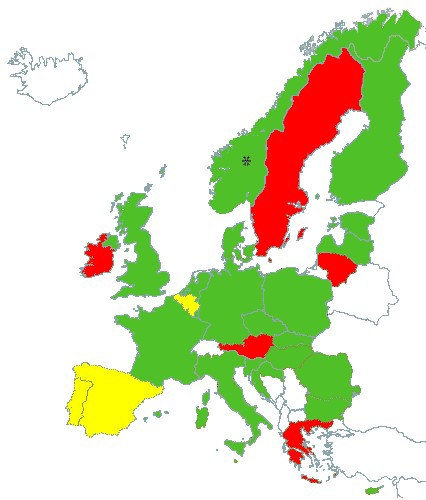
GREEN - all adopted
YELLOW - part of it adopted
RED - not yet adopted
Danube
Rhine
Elbe
Ems
Finnish-Norwegian International River Basin District
Meuse
Scheldt / lEscaut
Odra
Sava Commission (ISRBC)

Sturgeon
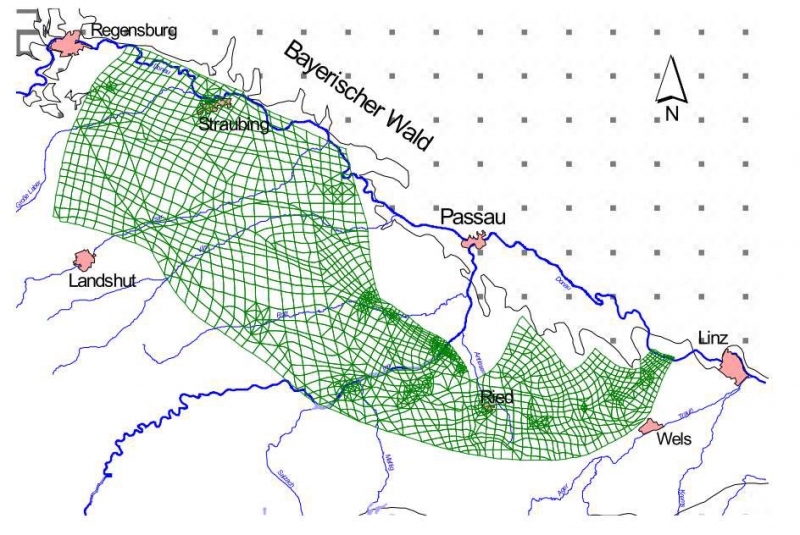
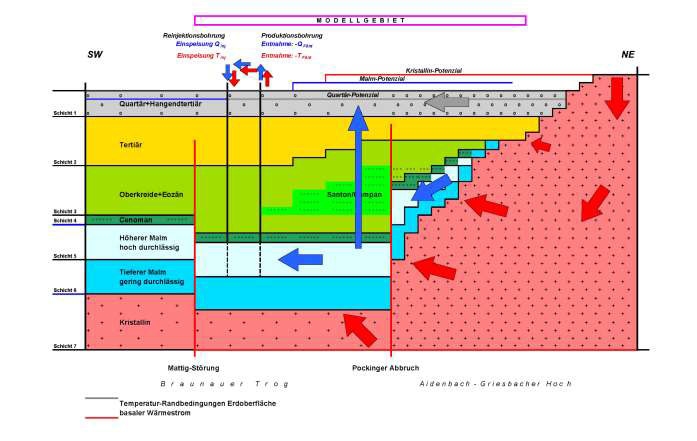
Still huge differences between groundwater body delineation methodologies and assessments
No adaptable management plan
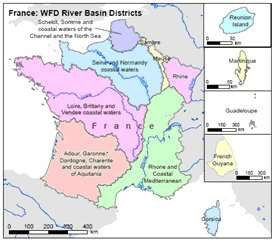
2.1 Main strengths The French RBMPs have gone through an extensive co-ordination process between the different sectors and stakeholders involved and a wide process of consultation with the public. Categorisation determined under the EC Comparative study of pressures and measures in the major river basin management plans in the EU (Task 1b: International co-ordination mechanisms). There are a number of national guidelines that have been extensively developed for most of the WFD topics (monitoring, ecological and chemical assessment methods, groundwater assessment, exemptions). Substantial efforts have been made to integrate the WFD principles into the water management. A good understanding of the work needed for the proper implementation of the WFD has been demonstrated, and there has been continuous progress after the adoption of the first RBMPs (ecological and chemical assessment methods, designation of HMWBs, monitoring, etc.)
2.2 Main weaknesses There are significant gaps in the development of assessment methods for the biological quality elements in this first RBMP. The biological assessment methods for rivers are significantly more developed than those for other water type. The assessment methods for supporting quality elements on physico-chemical and hydromorphological characteristics are generally only partially developed. For most of the French RBDs, the assessment of chemical status has been based on the Annex I of Environmental Quality Standards (EQS) Directive 2008/105/EC, but not for all. Furthermore, different substances have been used in the different plans (and not all the 41 substances of Annex I) for the assessment of chemical status of water bodies. For these reasons, the methods for the assessment of chemical status are very unclear, including which substances have been used, and the reasons for the selection of certain specific substances. There are a relatively high number of exemptions under Article 4(4) and 4(5) based on disproportionate costs, for which no clear justification has been provided in the RBMPs. Water services have been interpreted differently in the French RBDs. Some RBDs have a broad approach, which takes into account all possible abstraction, storage, treatment, impoundment etc. In other RBDs the approach has been narrower, taking into account public and self-water abstraction and wastewater treatment for all sectors, as well as irrigation. Finally, in some RBDs, the approach has been even more limited, taking into account only abstraction and wastewater treatment for households, industry and abstraction for agriculture.
Influence of public consultation in the adopted plans: websites have been established to provide information on the replies received and the assessment of those replies, and to make the opinions of different regional and local authorities publicly available. The main changes that such consultation has brought about relate to changes in the selection of measures, or the modification of a specific measure, and to the provision of additional information. To a lesser extent, the consultation has resulted in methodologies being changed, further research being carried out or commitments being made for actions in the next cycle.
On international co-operation, there has been some sort of co-operation with Belgium (no agreement or plan made, but existing communication, no information on transboundary groundwater bodies), in the Rhone (France has not identified this RBD as international - it however shares a small part of its basin with neighbouring countries including Switzerland, Italy and Spain - under the CIPEL discussions have taken place on monitoring programme - no details provided), and in the Meuse and in the Rhine (for both, since exchanges between groundwater layers are limited, it was suggested to limit international co-ordination to a bilateral or trilateral technique at the border zones where exchanges are significant: localisation of the sites, the piezometric evaluation at both sides of the boundary, the frequency of measurements is discussed). The level of international co-operation is not clear for the Sambre.

Still huge need for management policy directives
ISMAR9 (June 2016, Mexico City): CALL TO ACTION SUSTAINABLE GROUNDWATER MANAGEMENT POLICY DIRECTIVES
In spite of the fact ↓
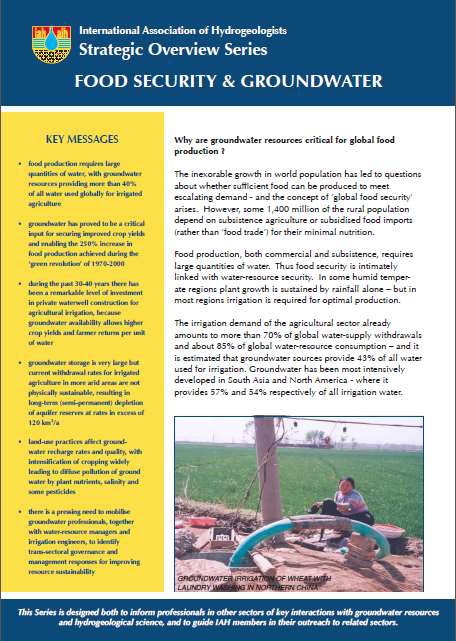
Food Security & Groundwater
The Energy Sector & Groundwater
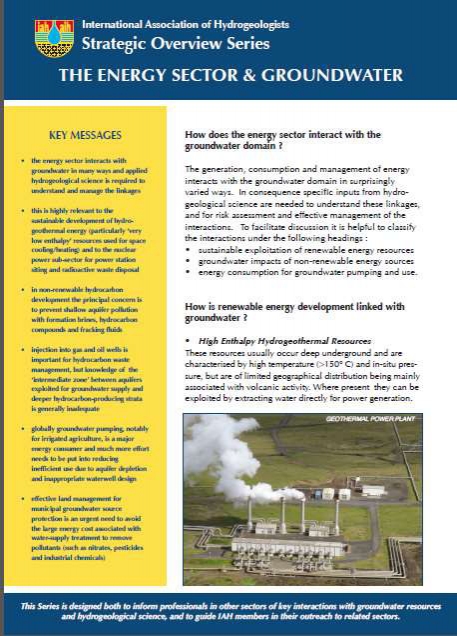
Resilient Cities & Groundwater
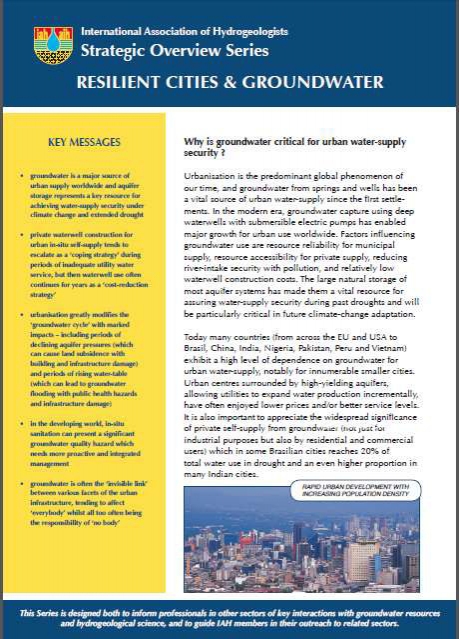
Ecosystem Conservation & Groundwater
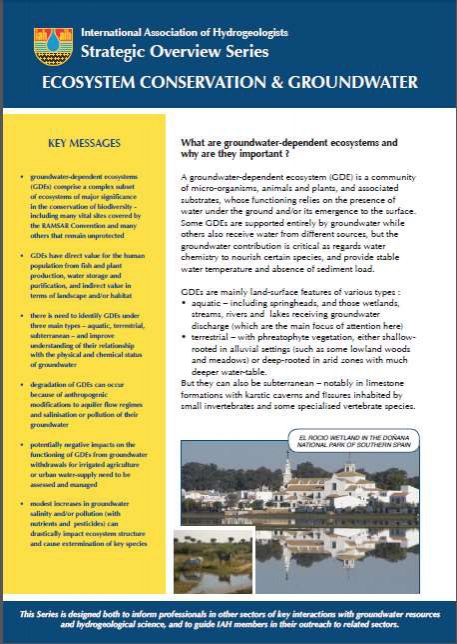
Human Health & Groundwater
Global Change & Groundwater
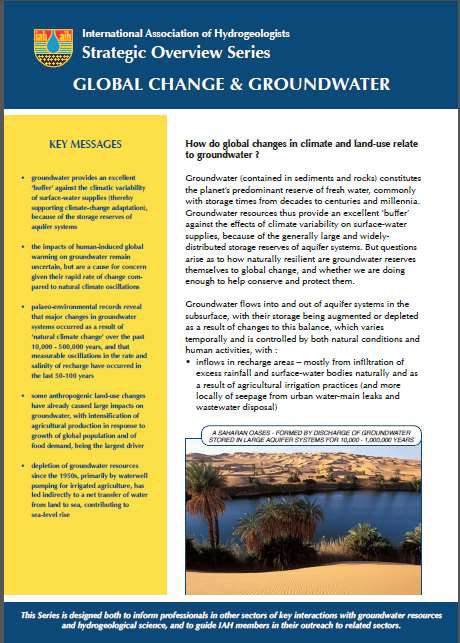
https://iah.org/knowledge/learning-resources
UNESCO-IHP- Intergovernmental Council Resolution XIV-12
Year 2000
Launch of the
ISARM Initiative
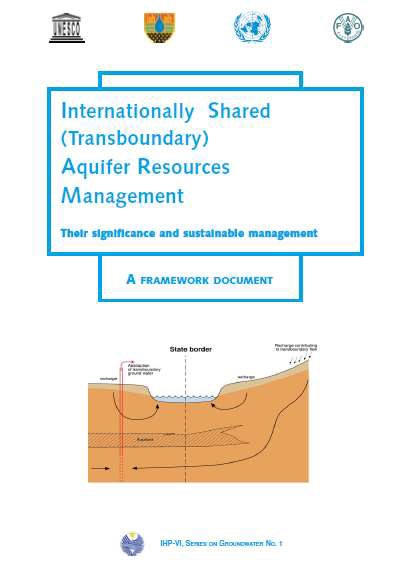
Environmental aspects
Institutional aspects
Socio-economic aspects
National and International Laws
Scientific-Hydrogeological scope

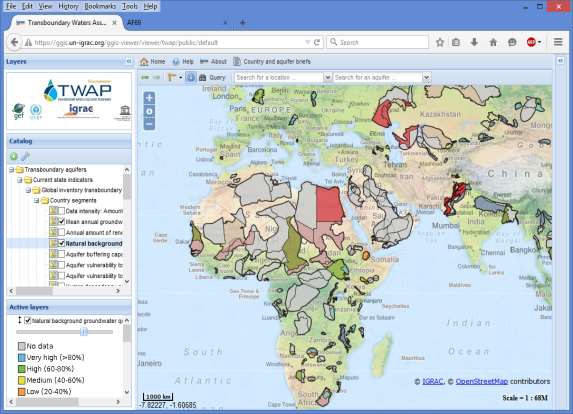
A global baseline assessment to identify and evaluate changes in transboundary water systems.
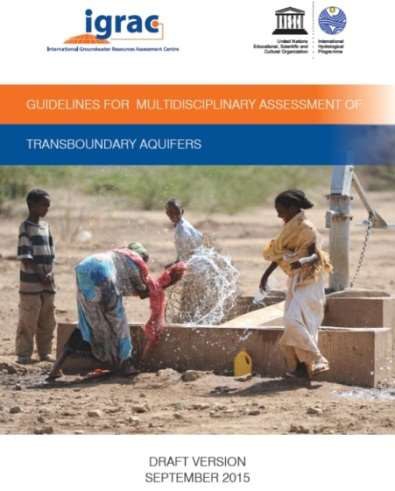
Guidelines for multidisciplinary assessment of transboundary aquifers. The final guidelines to be extended with the Benchmarking methodology developed within the Transenergy project.

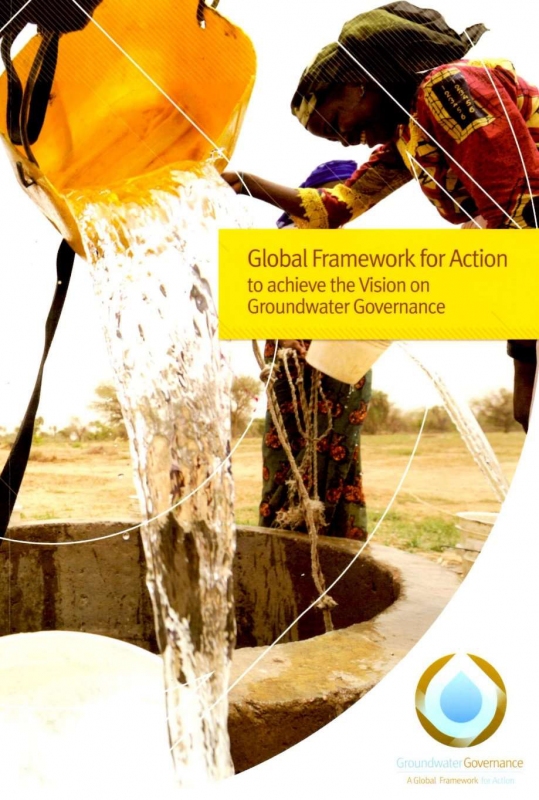
• TAILOR ACTION TO CONTEXT: adaptable framework not simple recipe
• BUILD LINKAGES: inside and outside water sector
• FINANCIAL ARRANGEMENTS: productive incentives
• IMPLEMENT ADAPTIVE MANAGEMENT PLANS: with periodic assessment (similar to the WFD)
Conventions dealing with transboundary issues
Water Convention - Convention on the protection and use of transboundary watercourses and international lakes. Started as a regional convention. It was negotiated by the Member States of the United Nations Economic Comission for Europe (UNECE) and signed in Helsinki in 1992. It entered into force in 1996. Promotes cooperation on transboundary surface and ground waters and strengthens their protection and sustainable management.
Signatories obliged to prevent, control and reduce transboundary impact, use transboundary waters in a reasonbable and equitable way and ensure their sustainable management. Parties bordering the same transboundary waters shall cooperate by entering into specific agreements and establishing joint bodies. Since 2013 all UN Member States can join the convention.
Convention on the Non-Navigational Uses of International Watercourses - at global level. Adopted in New York in 1997. Not yet in force! Expanded: ILC Draft Articles on the law of transboundary aquifers adpoted in 2008.
UNILC Draft Articles of The Law of Transboundary Aquifers
UNESCO-IAH joint effort in support of the UNILC
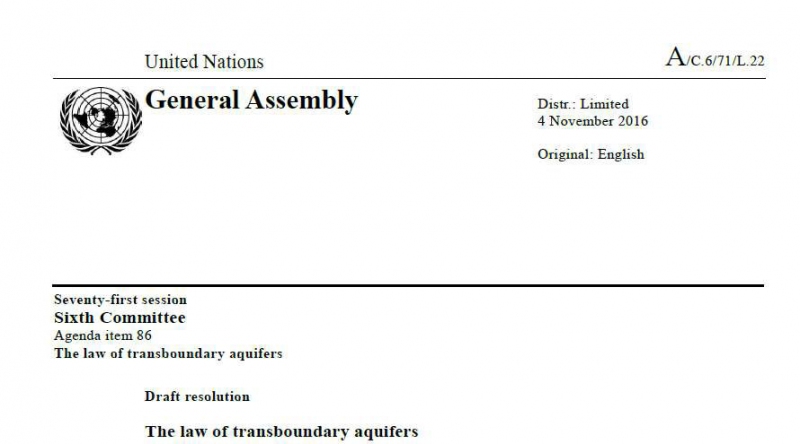

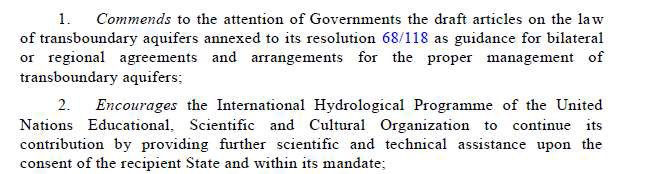
Starting point ... what did hydrogeologists wish to regulate......? ...... ‘protection of an aquifer... ’ Aquifer systems – the basis of the ILC Articles. Key features: recharge – storage – discharge.
Legally unable to ‘protect an aquifer’ ... therefore we can only regulate actions in State A’s territory, that might harm the benefit (from a common resource) in State B’s territory.
Thus the definition of an aquifer in legally binding terms is .... ‘(saturated) water and the rock, which is the host’.
To be legally precise, the aquifer was defined to refer only to the water saturated portion, the rock in which this water is found, and the ‘rock’ below and above that, giving the upper and lower boundary (in the vertical dimension) and the area, in the horizontal dimension.
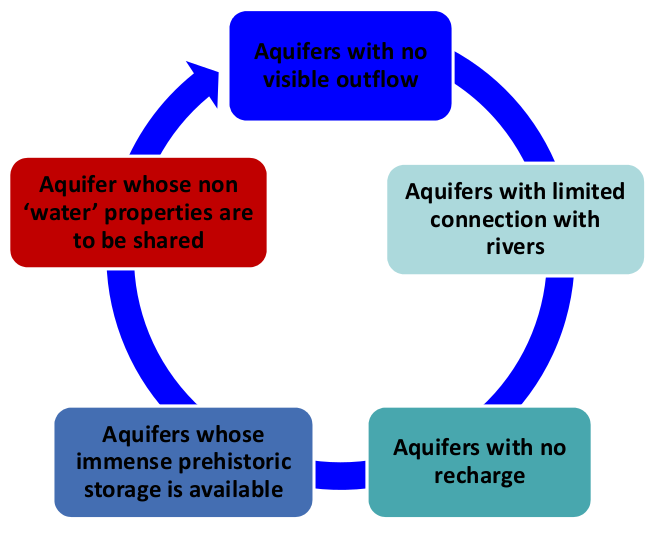
Aquifers are hosts not only to fresh water, but can be also to minerals, geothermal heat, and can be a medium for quality improvements (filtration), latterly also linked with shale gas
As ‘recharge & discharge’ areas of the legally defined aquifer cannot or can be only partly ‘protected’ (DWPAs, NATURA 2000, Ramsar, etc.), then we need to regulate ‘other activities’ that will affect the aquifer & its processes.
Since there never is an ideal aquifer, then make the scope apply to ‘aquifer systems’.
With these provisions we can regulate all aspects – the saturated rock medium, the overlying / underlying formations, the recharge areas, the discharge areas & the hydrochemistry
The Draft Articles build on those aspect of the 1997 Convention that were left ‘vague’ and scientifically incorrect, causing practitioners some difficulty Where the 1997 Convention does not apply the Draft Articles fill the gap:
Jeremy Bird International Water Management Institute
Budapest Water Summit
28-30 November 2016