Some practical aspects and good practices
of thermal water direct uses
Optimal use of thermal water
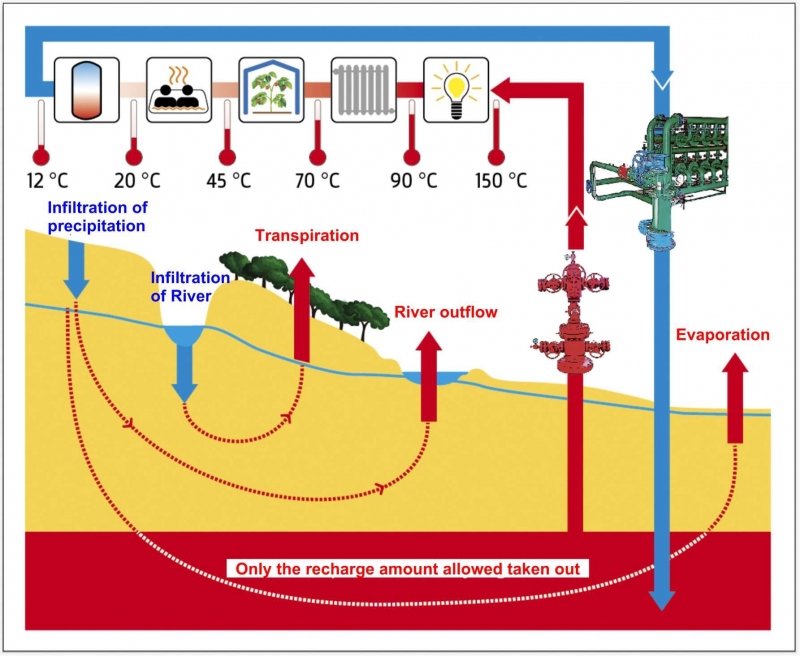
Main components of a geothermal district heating
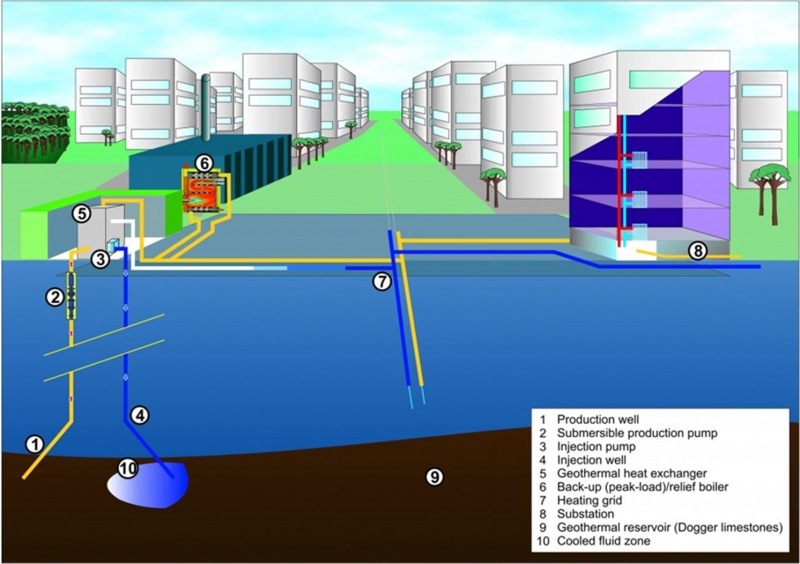
Source: GeoDH project
Geothermal part of the DH Geothermal loop // Conventional part of the DH Heating loop
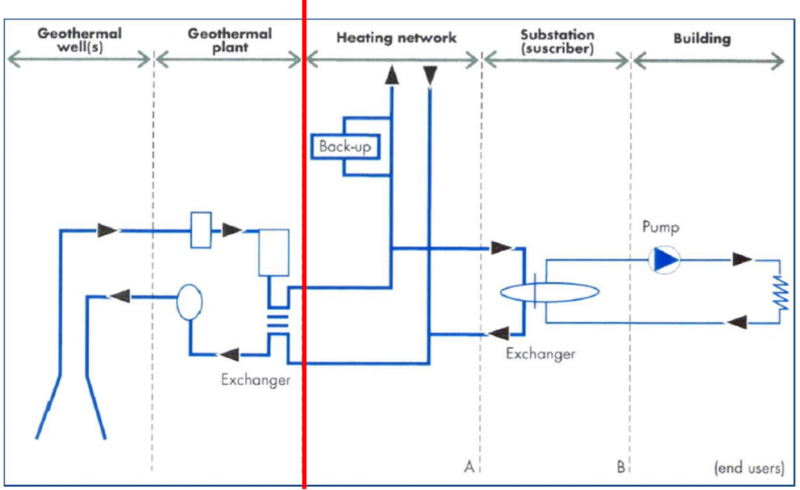
Source: GeoDH project
A five step analysis is needed to assist an initial
evaluation before launching the construction of a
geothermal district heating
1. Analyse Geothermal Heat Production
Information on the characteristics of an identified resource to estimate the heat production from deep geothermal resources.
2. Identify District heating Market Areas
Heating demands in the service area are estimated such as the density of thermal loads and distance from production fields. If the DH already exists, this step will be limited to evaluate the adaptation of the heating loop.
3. Preliminary design of the district network for selected zones inside the town
To consider engineering design options available for the geothermal district heating system, which is dependent on resource temperature, flow rate, geothermal water quality and depth.
4. Analyse the economic aspects
To provide a procedure to estimate capital expenditures, and annual operation and maintenance costs which could be translated into costs per unit of energy for both district heating and conventional systems.
5. Evaluate district heating feasibility
To explain how district heating and conventional costs are compared. Evaluation criteria are suggested to determine whether district heating is appropriate.
Source: GeoDH project
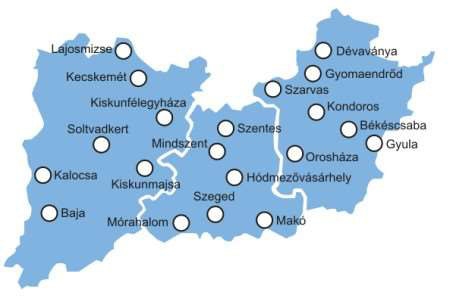
The early 2000’s - The South Great Plain region
is catching up with geothermal
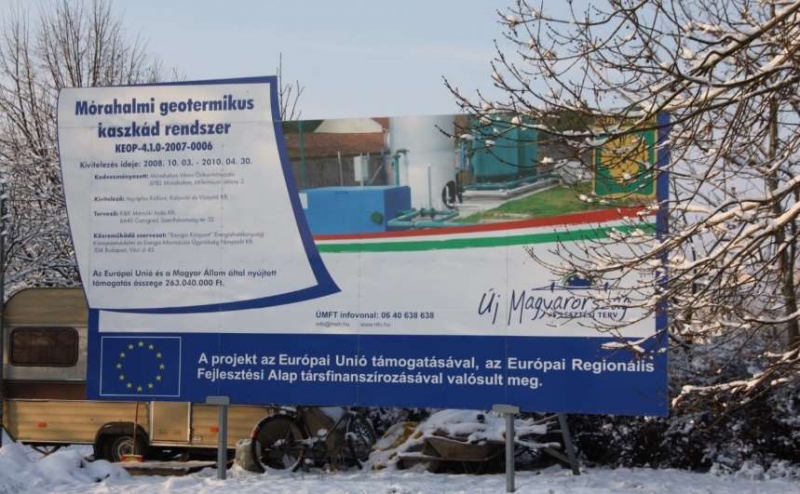
- 2008-2010: A brand new geothermal district heating system complete with waste gas utilization is built and starts to operate in Mórahalom
- 2010: Geothermal heating is introduced to a TESCO store in Hódmezővásárhely, and to the building of the Faculty of Engineering at the University of Szeged
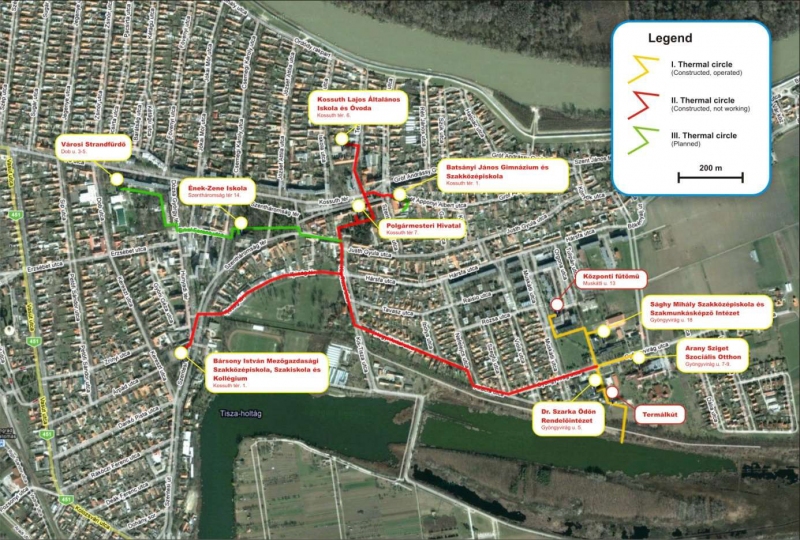
- 2012-2013 A non-functioning geothermal district heating system is completely overhauled, expanded and starts to operate in Csongrád
- 2012-2014: Two new geothermal district heating systems are built and start to operate in Szeged
- 2013-2015: A defunct production well is reopened, and a new geothermal district heating system is built in Makó
- 2017- : Integration of geothermal energy is planned in 4 heating circuits of the DH in Szeged




Case study 1: The geothermal projects of the city of Szeged
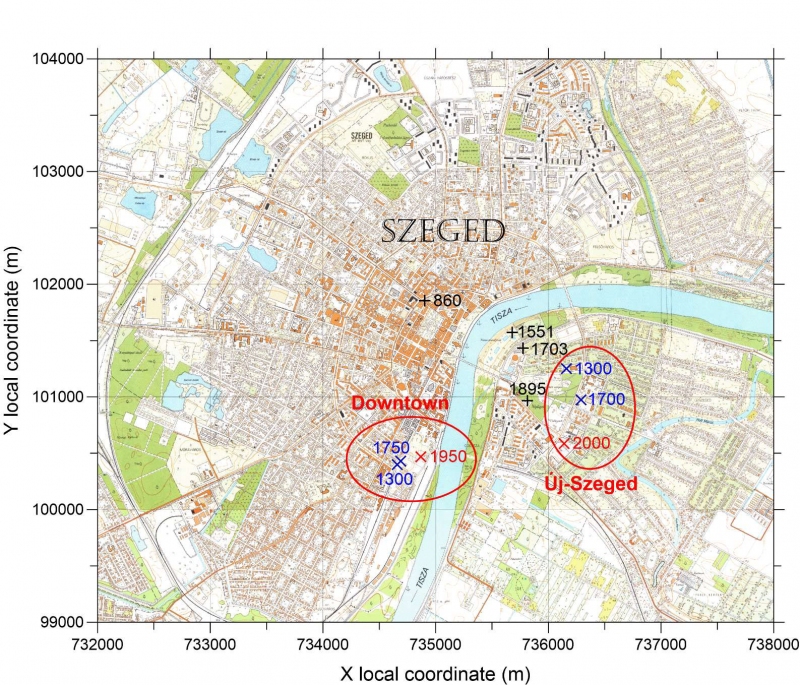
Case study 1a: Geothermal cascade system in the city centre
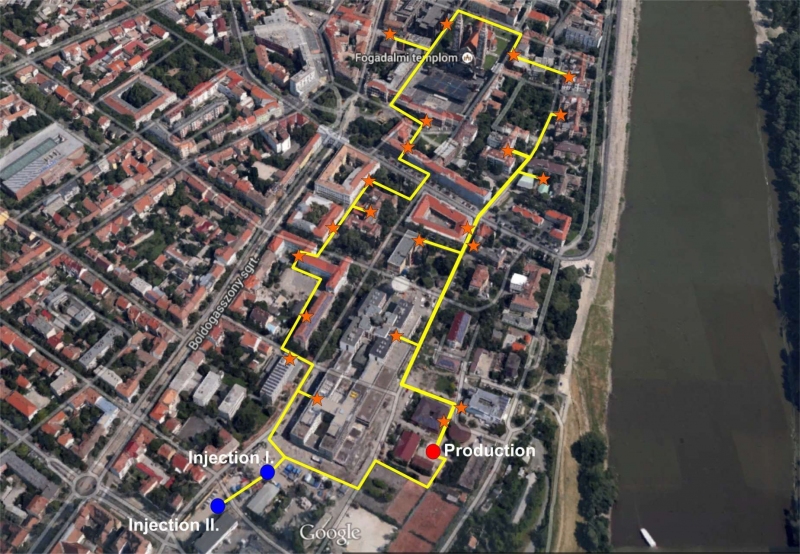
Investment: 6.6 million €
Yearly profit: 0.45 million €
Case study 1a: Heat market of Szeged-downtown
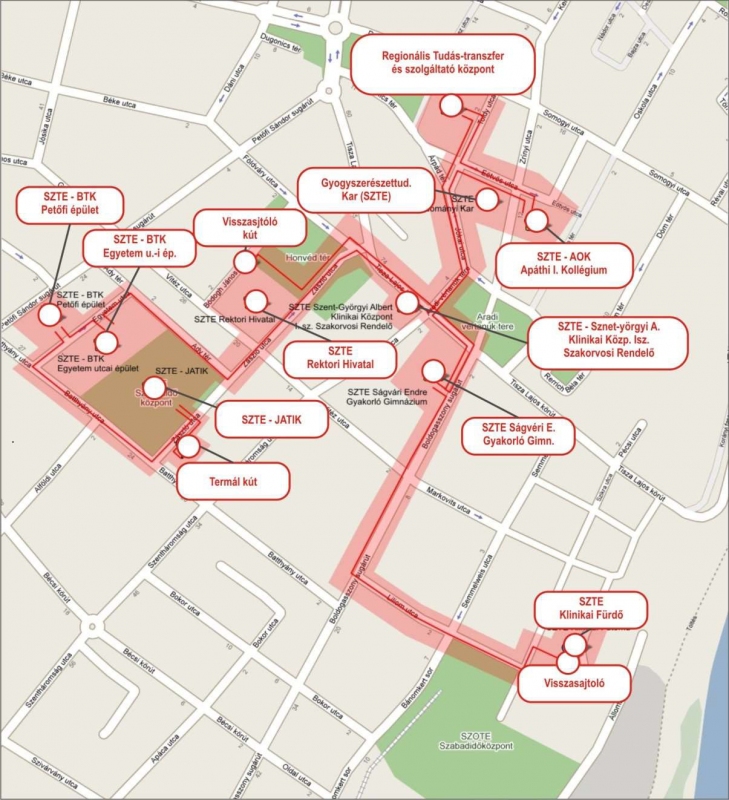
Case study 1a: Parameters of the Szeged downtown geothermal circle
Construction of the 4.4 MWth project
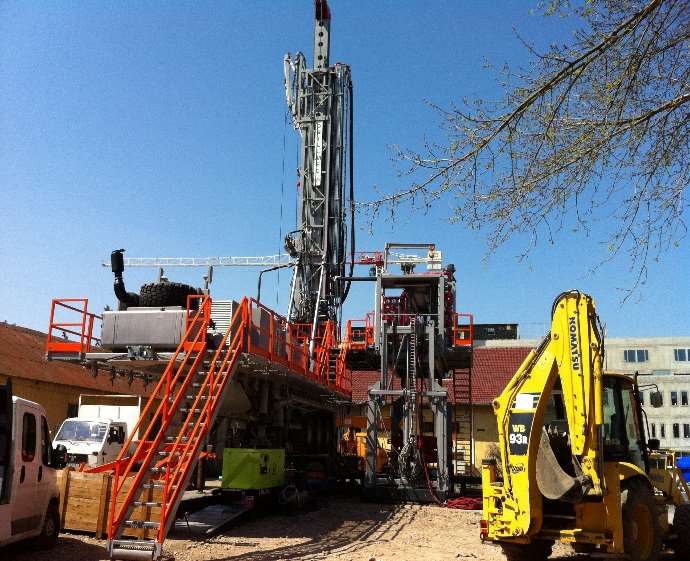
- 1 production well (1,995 m)
- 2 injection wells (1,350 m; 1,750 m)
- pipe line ~ 3,300 m
- 25 new heating centres
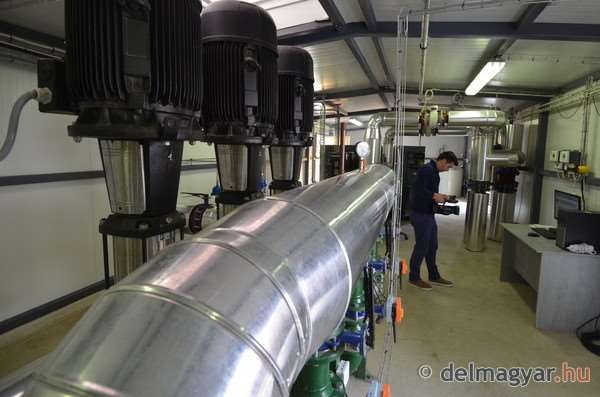
- Online PLC control system
Outcomes of the project
- Produced geothermal energy: 55,239 GJ/y
- Natural gas reduction: 1.8 million m3/y
- CO2 reduction: 3,633 t/y
- Spending on investment: 6.6 million €
- Investment/produced energy: 1,410 €/kW)
- Specific investment of CO2 reduction: 1,830 €/t
- Maintenance cost: 280,000 €/y
- Profit: 0.45 million €/year
Case study 1b: Geothermal cascade system in New-Szeged
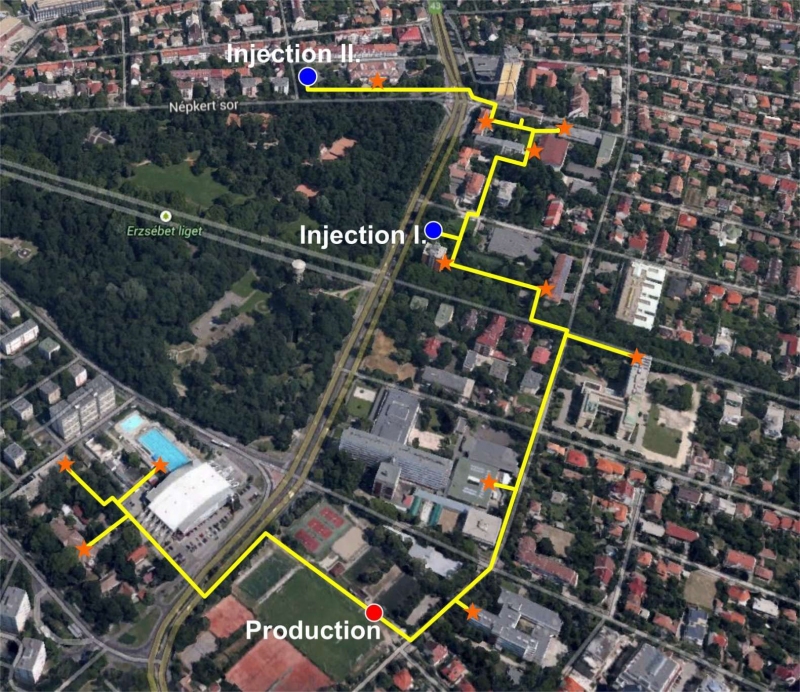
Investment: 4.2 million €
Yearly profit: 0.37 million €
Case study 1b: Heat market of New-Szeged
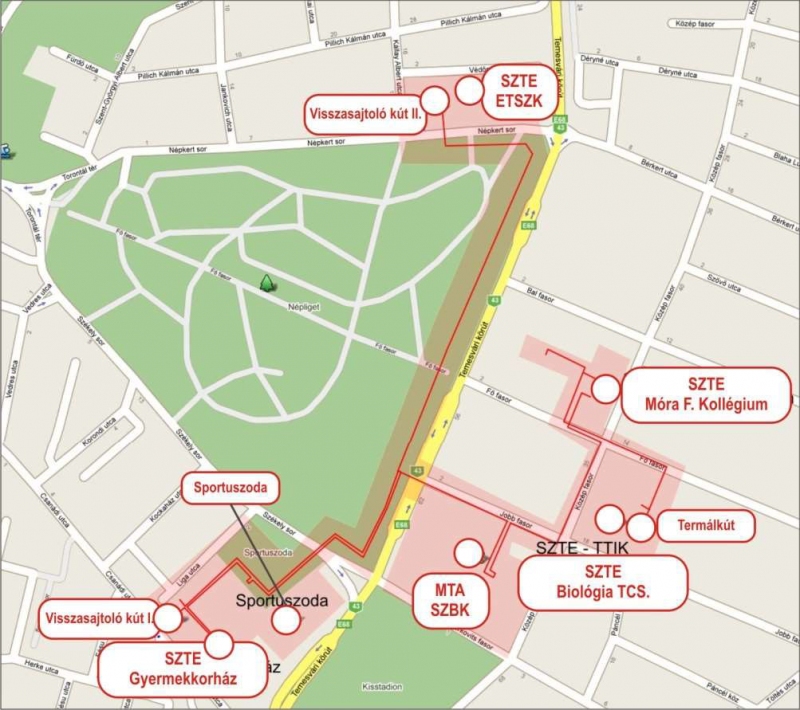
Case study 1b: Parameters of the
New-Szeged geothermal system
Construction of the 4.5 MWth project
- 1 production well (2,000 m)
- 2 injection wells (1,250 m; 1,700 m)
- pipe line ~ 4,400 m
- 12 new heating centres
- Online PLC control system
Outcomes of the project
- Produced geothermal energy: 37,167 GJ/y
- Natural gas reduction: 1.2 million m3/y
- CO2 reduction: 2,343 t/y
- Spending on investment: 4.2 million €
- Investment/produced energy: 860 €/kW)
- Specific investment of CO2 reduction: 1,780 €/t
- Maintenance cost: 193,300 €/y
- Profit: 0.37 million €/y
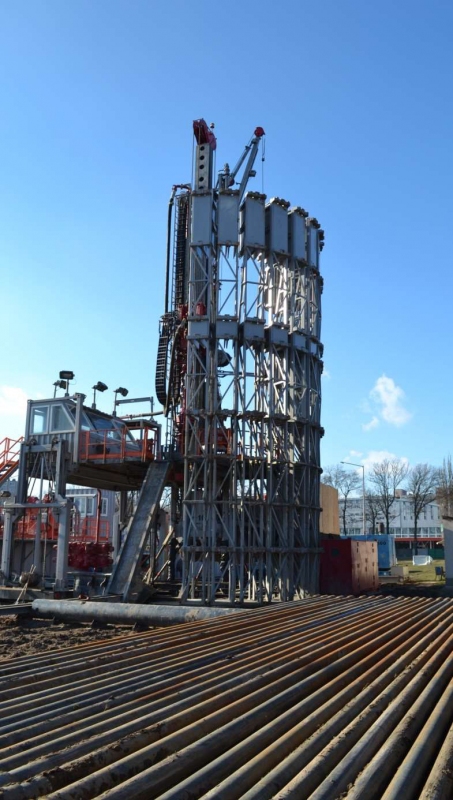
District Heating in Szeged
Municipally owned DH Company
Heat and DHW service to 27,000 apartments (4-10 story blocks) and 500 public buildings (schools, kindergartens, hospitals etc)
Built between 1979 and 1989
23 heating centres as hubs of the service and 99 1-5mW boilers
215 km pipeline system
Total yearly gas concumption 28 million m3
The total capacity of the system is 224mW.
150 employees
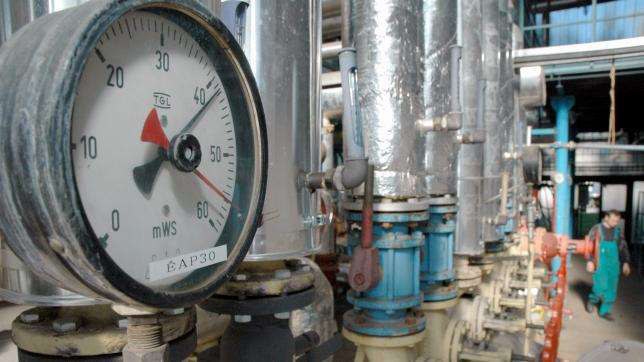
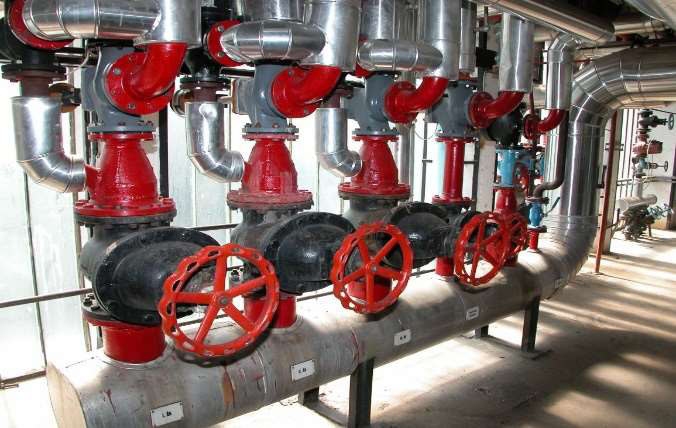
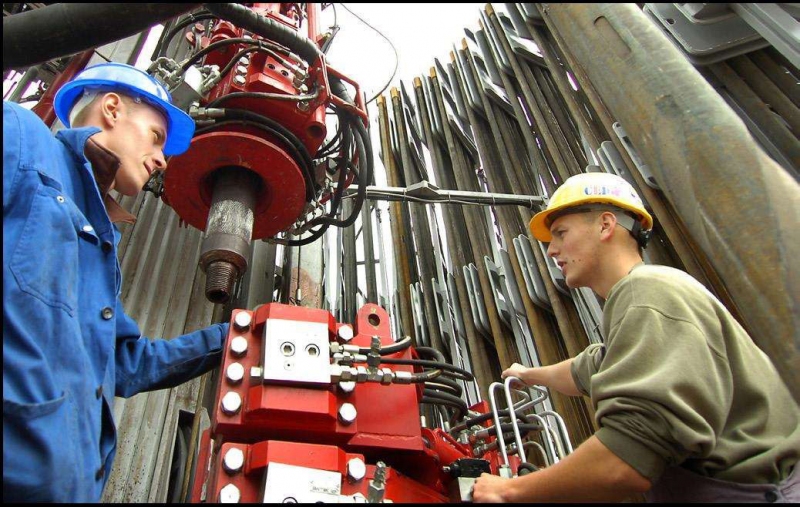
District Heating – the ultimate heat market in Szeged
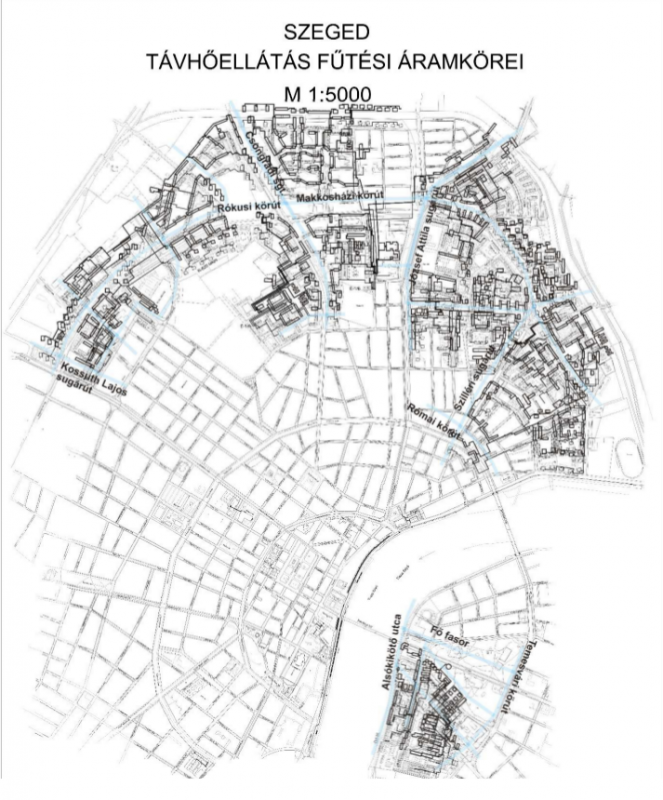
Integrating geothermal at 4 heating circuits
Heat market
Thermal potential
Funding
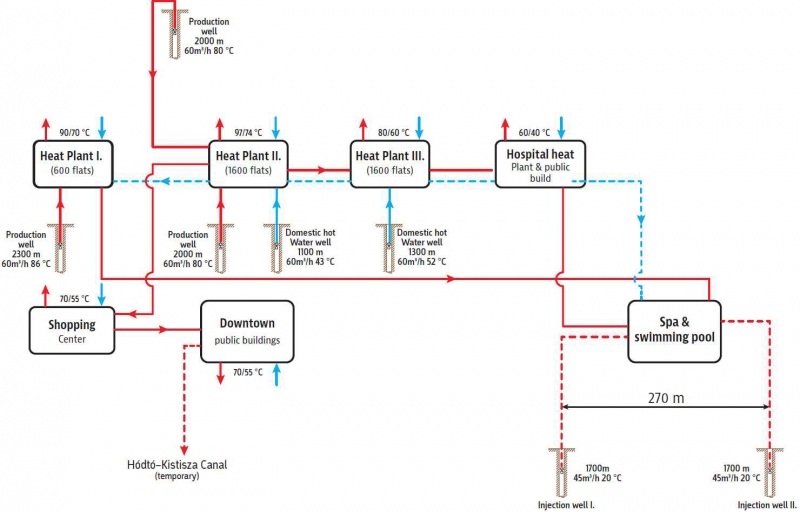
Case study 2: the Szentes geothermal field
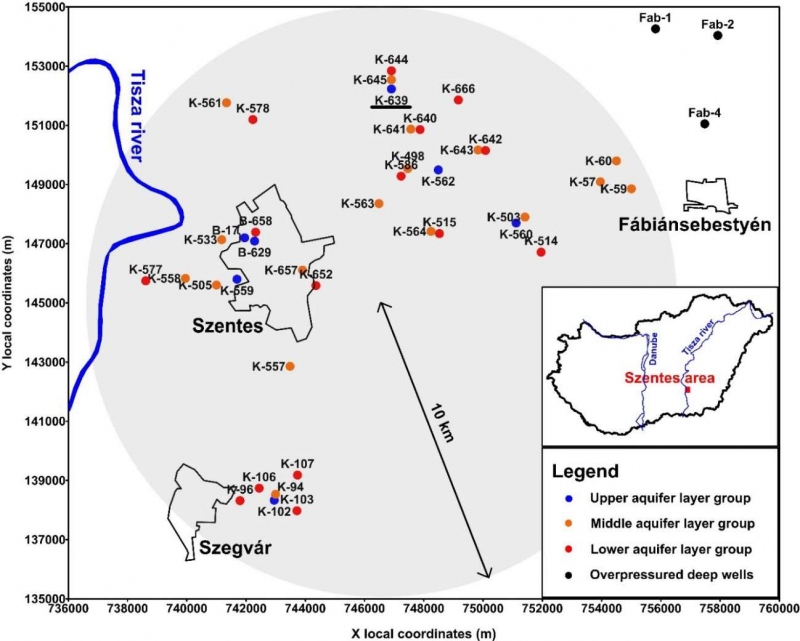
Case study 2: Geothermal energy utilization in the Szentes area
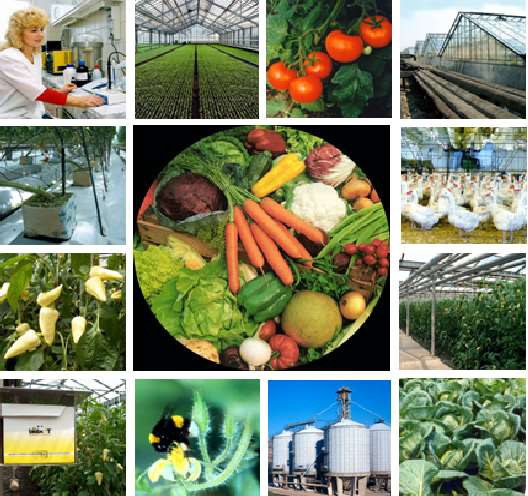
-warm water supply; hospital, balneological use
-district heating system, 1300 flats and communal buildings
-heating 60 ha of greenhouses
-35000 m2 poultry yards
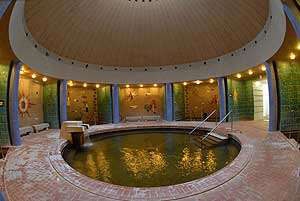
Case study 3: Geothermal energy utilization
in Hódmezővásárhely
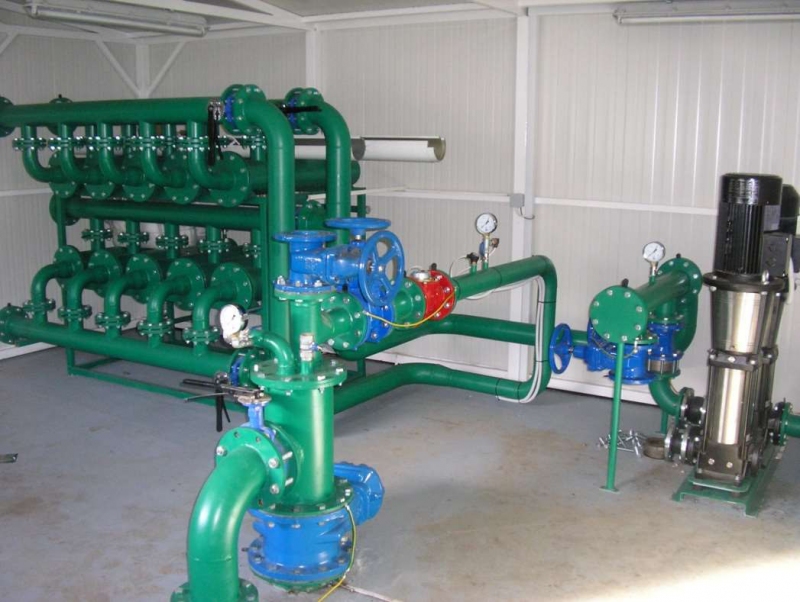
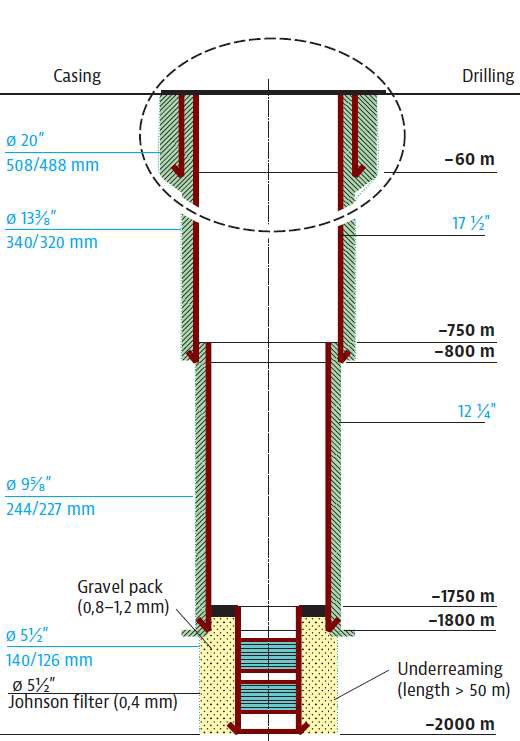
Case study 3: Reinjection technology in Hódmezővásárhely
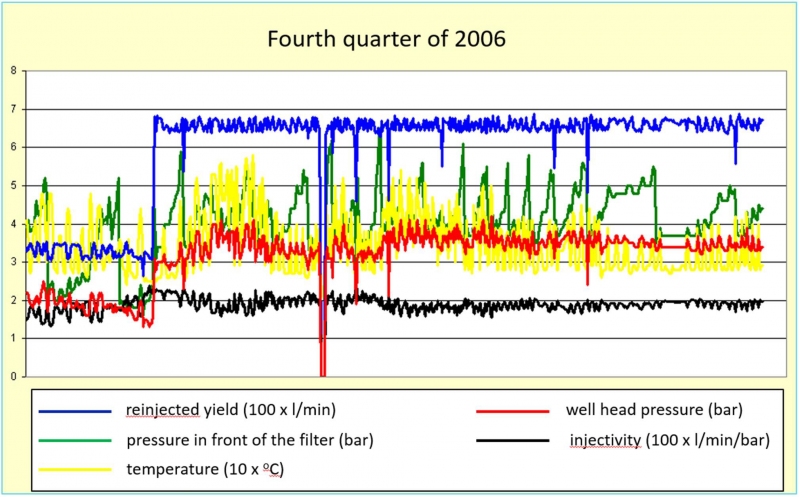
Case study 3: Reinjection data in Hódmezővásárhely
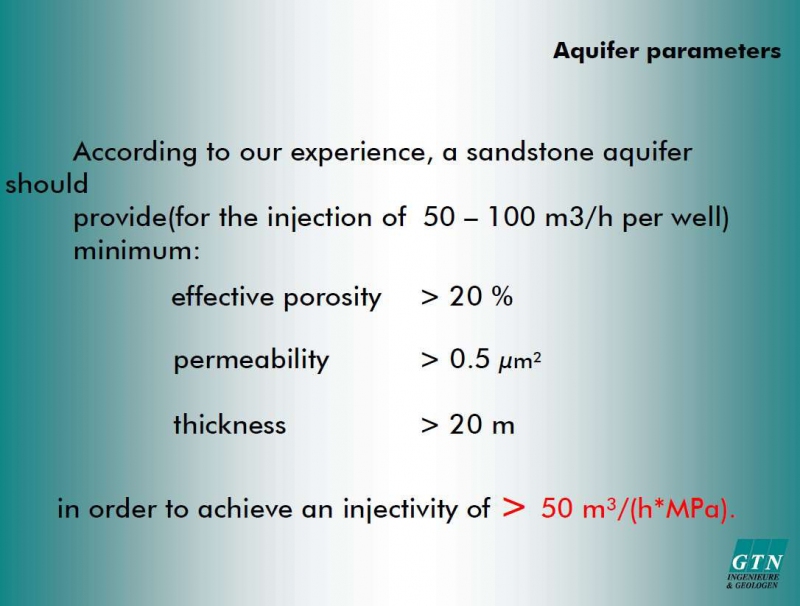
Case study 3: Injection parameters at Hódmezővásárhely
Peter Seibt
Case study 4: Geothermal Cascade System
in Mórahalom
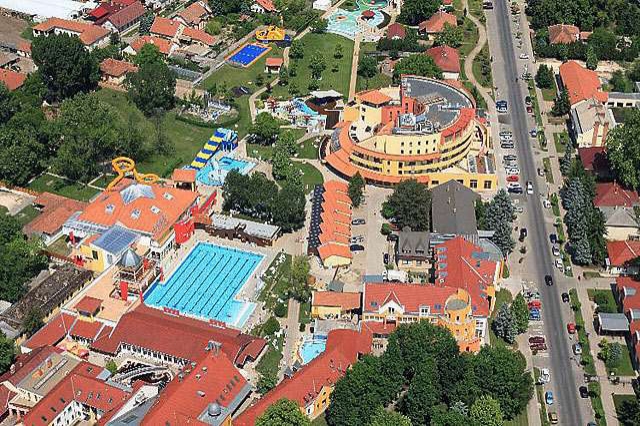
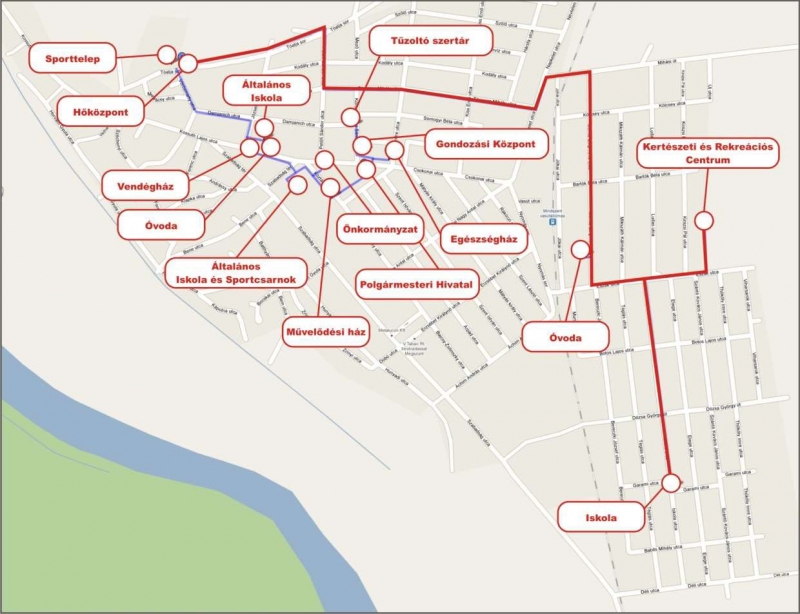
Case study 4: The heat-market of Mórahalom
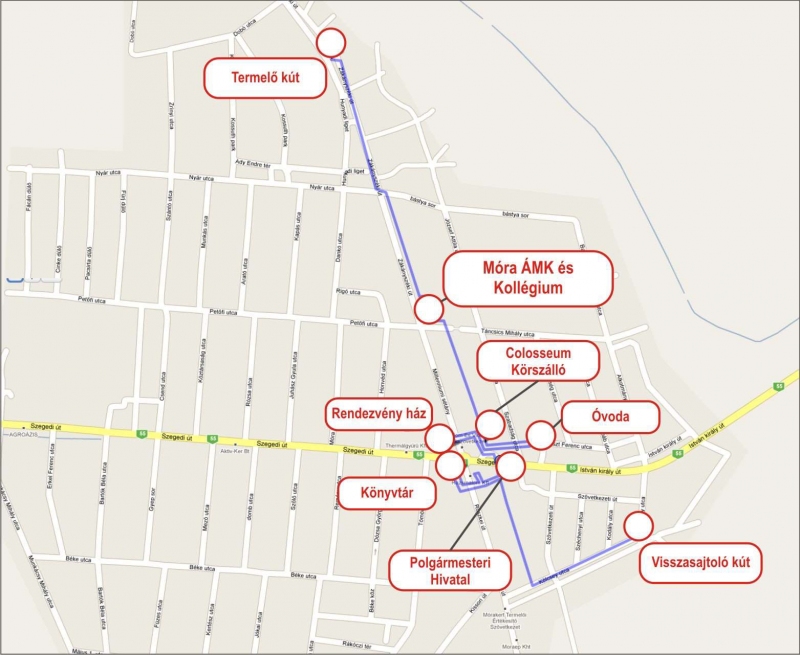
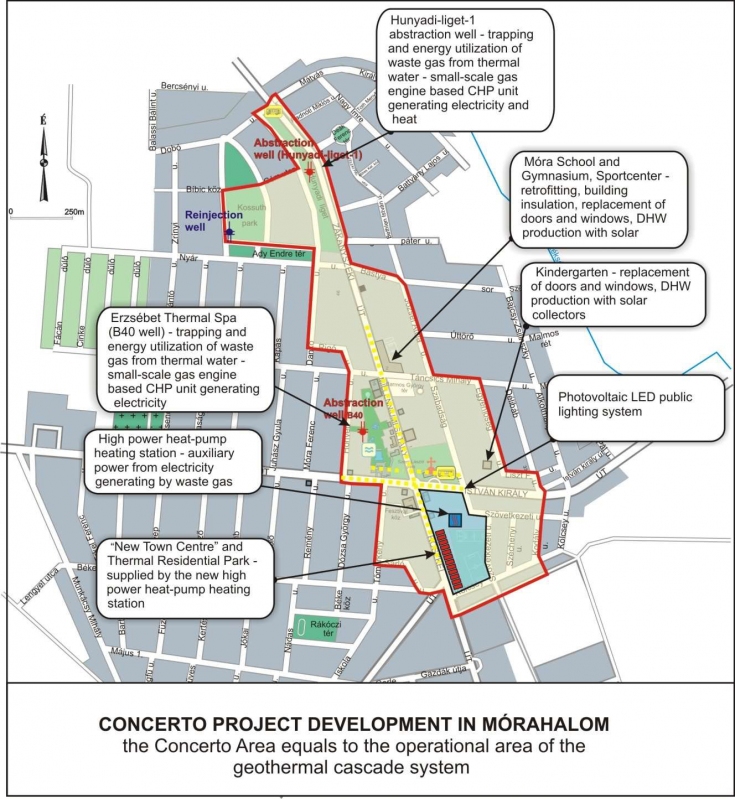
Case study 4: Activities of the development in Mórahalom
- The establishment of the geothermal cascade system in the public institutions of the town
- The construction of 1 ~1,400 m deep production well
- The construction of 2 ~900 m deep reinjection well
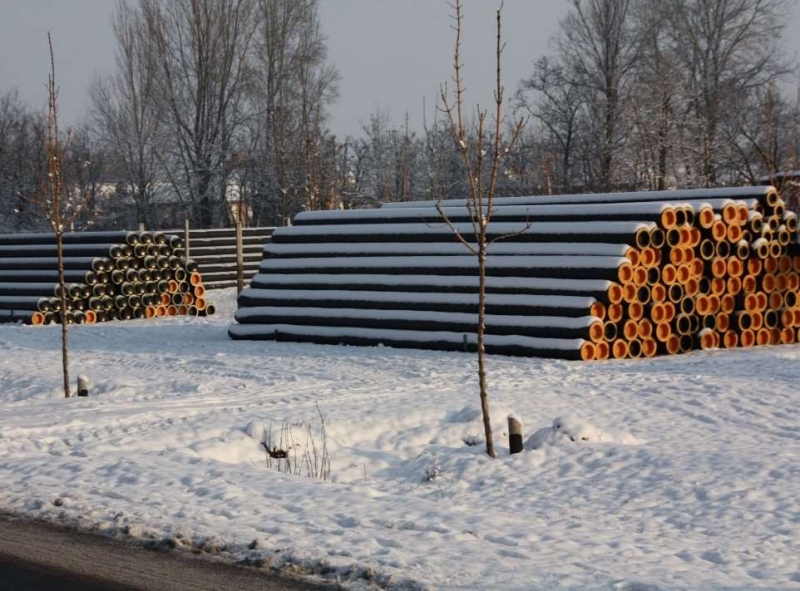
- The establishment of ~ 2,800 m new thermal conduit
- The creation of 7 new heating stations
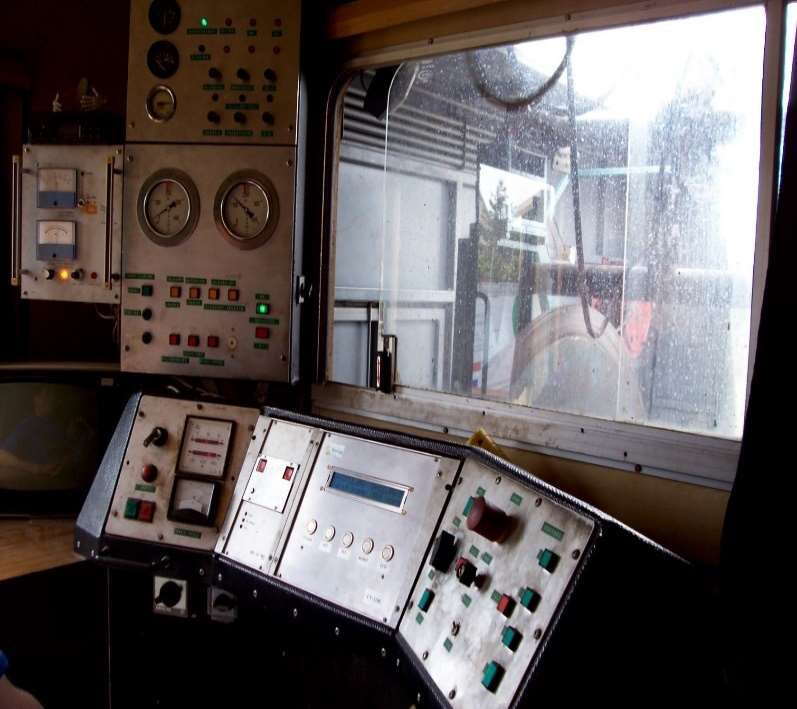
- The establishment of an up-to-date PLC control system
Case study 4: Indicators of the Mórahalom project
- 2,620 kW installed new geothermal heat capacity
- Geothermal energy usage 0% -> 80%
- 14,441 GJ fossil energy sparing
- 481,907 m3/year gas replacement
- 866 t CO2 emission reduction
- 318 kg NxOx emission reduction
- 605 kg CO emission reduction
- Investment cost: net 1.5 M Euro
- EU support: gross 0.75 M Euro (50%)
- Energy generation specific cost 600 Euro/kW
- CO2 reduction’s specific investment cost 60 Euro/t
- Operational cost: net 70,000 Euro/year
Similar heat-markets in the region
Sándorfalva
Csongrád
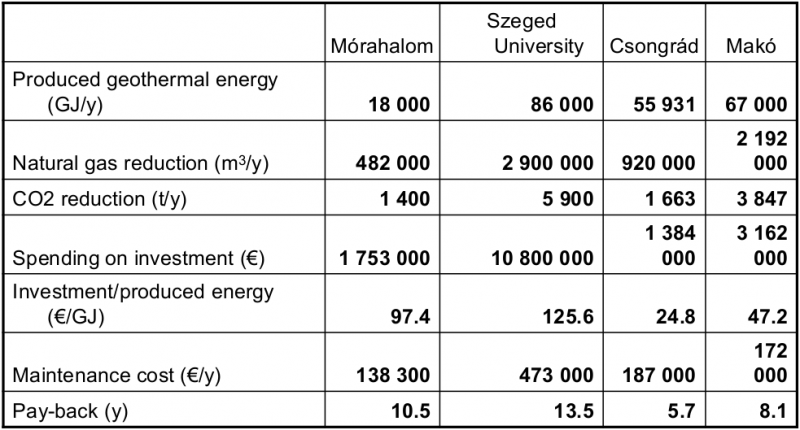
Main parameters of some last projects