Most stages of development of a geothermal project potentially produce an impact on the environment.
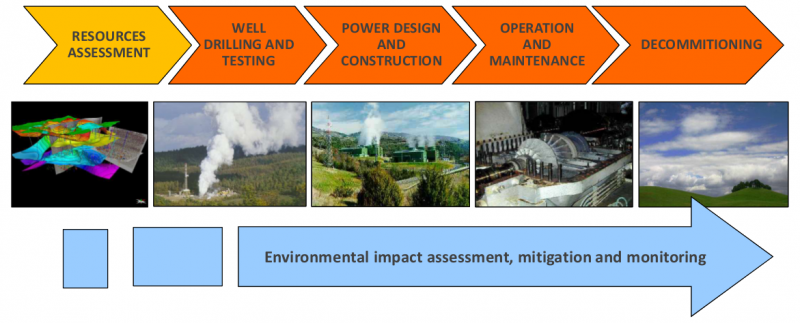
EIA is the assessment of the possible impact (positive or negative) that a proposed project may have on the environment, together consisting of the natural, social and economic aspects.
EIA studies are required by authorities at various project phases (to various degrees of details).
Mostly power production, negligible at low temperature resources (heating/cooling).
Sources:
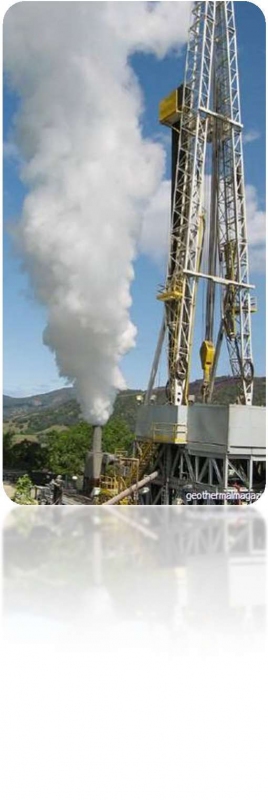
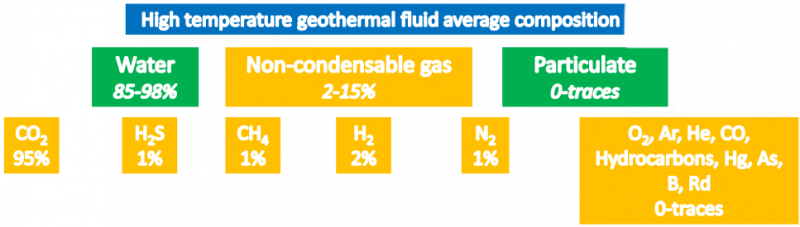
-Well drilling and testing phase
-Plant construction and equipment installation
-Power plant commissioning and operation
The intensity of the generated noise depends on the installed capacity and other acoustic parameters.
Exploration phase: removal of vegetation, preparation of the areas, construction works, infrastrctures (e.g. new roads).
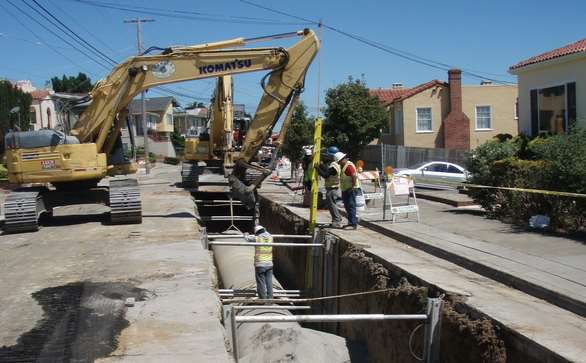
Operation phase: presence of pipelines, power plant.
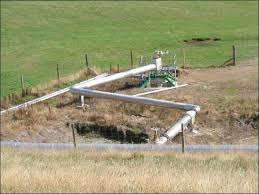
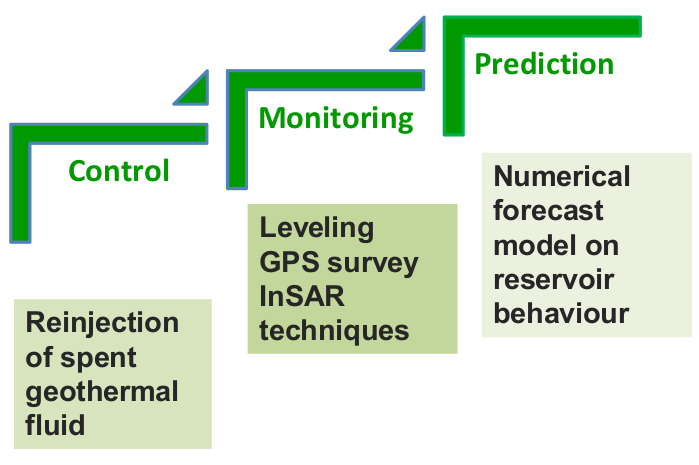
Extraction of large amount of fluid from the underground. Surface deformations can cause damage not only to facilities and infrastructure but to homes, if present in the vicinity of the field.
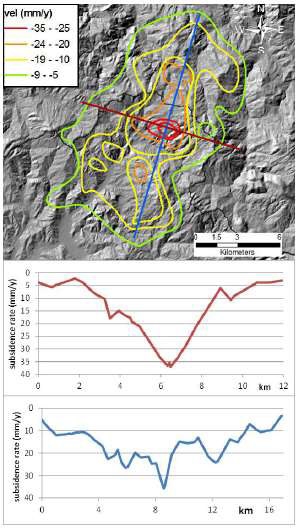
Larderello:
25-35 mm/a
(Rosi e Agostini, 2013)
Generally these wastes are "not dangerous"
The contractor doing the work should be made responsible by contract for cleaning and transporting away all such waste to an approved waste dump after his work is completed. Such a performance should also be prescribed in a health, safety and environment (HSE) management program for the whole project.
The extraction, reinjection, and discharge of geothermal fluids may affect both the quality and quantity of surface and groundwater resources.
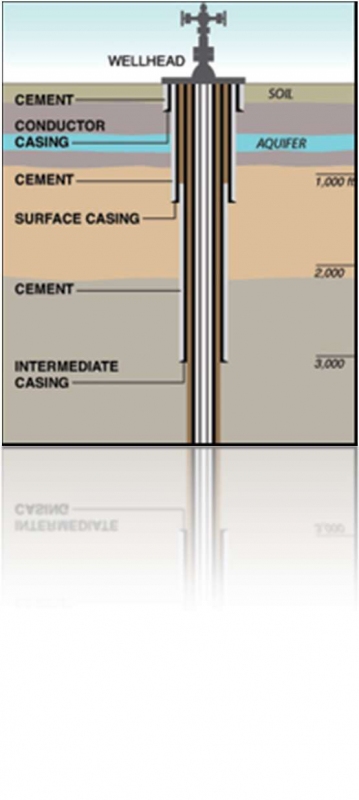
The well casing is the first barrier against pollution of groundwaters. Damaged casings may allow brines to mingle with fresh water aquifers: to install and cement multiple casings at shallow depths to provide extra barriers.
fluids discharging during well testing must be stored in impermeable holding ponds;
Monitoring wells strategically located in the well field to rapidly detect any problems.
Completion of a hydrogeologic and water balance assessment during the project planning stage to identify hydraulic connections between the geothermal extraction and reinjection points and any sources of drinkable water or surface waters.
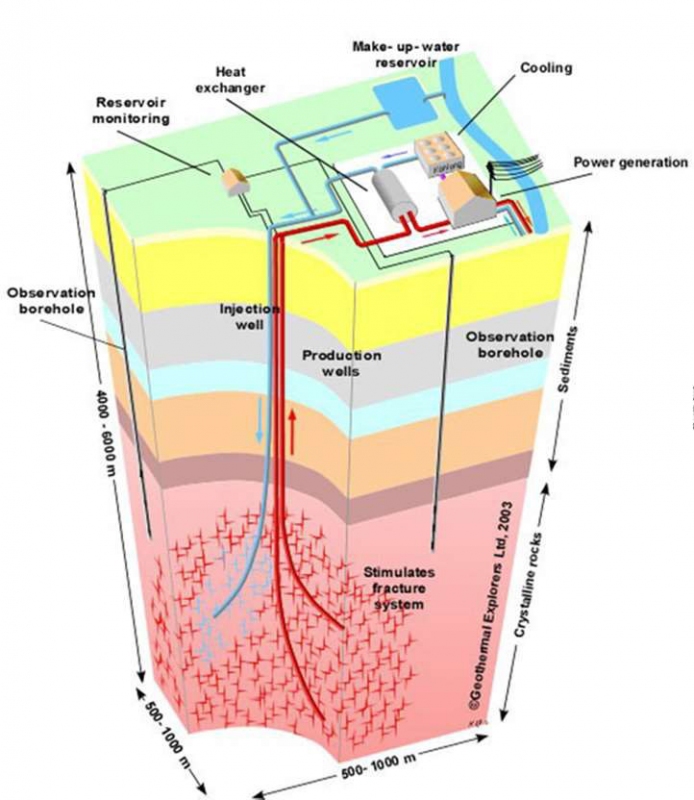
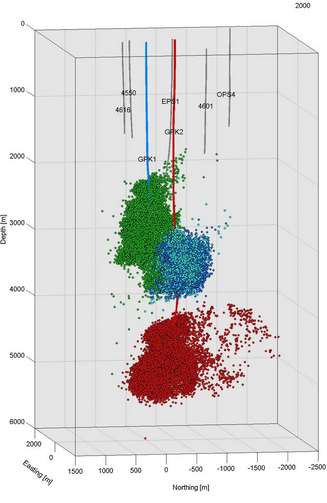
Hydraulic fracturing to incresae permeability. Normal operation produces microseismic activity (low magnitude events), at no risk.
Often difficult to discern natural from induced seismic events:
Potential damages to the built environment: public acceptance
„Social acceptability is attained if the project activities do not result in drastic changes from the regular conditions of the area, and if the affected sectors can see some advantages issuing from the project” (de Jesus, 1995)
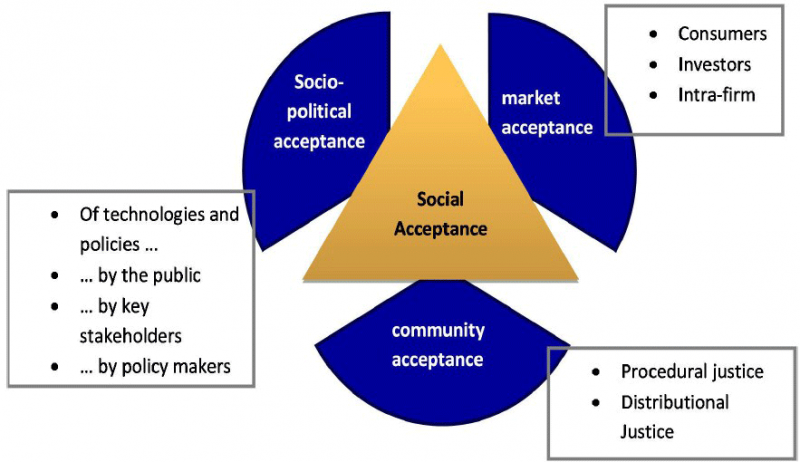
Figure 1: The triangle of social acceptance of renewable energy innovation (Wüstenhagen, Wolsink and Bürer 2007)
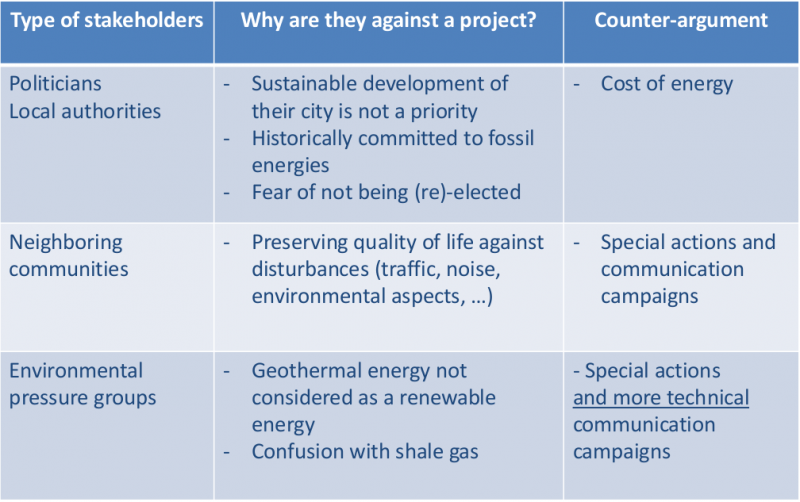
Public relations and information campaign during the planning /execution stage of the project: